
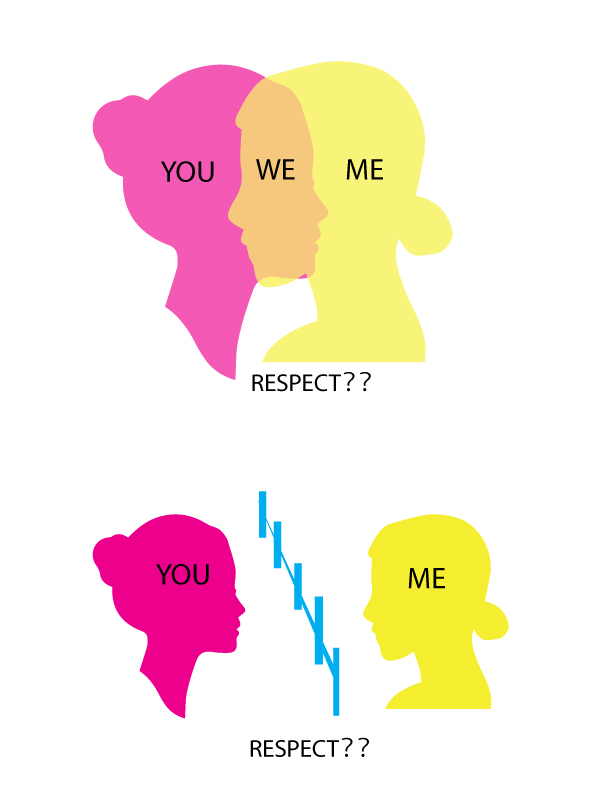
By the way... this is not a story about borders, yo (laughs)
I think that even if similar words are translated in various countries around the world, the context often differs. For example, when it comes to the word "respect," in Japan, it often applies to the hierarchical culture of "gratitude to parents" and "greeting elders," or it includes contexts such as "consideration for others" and "putting yourself in others' shoes."
Working with many Americans, I felt (this is just a tendency, as everyone is different) that "respect" meant not stepping into an individual's space. Generally, discussions about politics and religion, and especially personal matters, are not "stepped into" in public places or workplaces. Even if you are close, you don't give advice or opinions on personal actions or thoughts. There is an invisible fence between individuals, and knowing where and how it exists might be what they consider respect.
And!
There's an interesting story. I once attended a lecture by a Mexican-American architect, and he said that typical houses seen in America have an open front lawn with the house behind it. Mexican-style houses often have metal fences in their front yards.
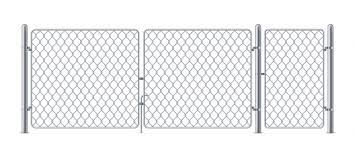
In Mexican-American communities with fences, you often see people gathering and chatting over the fence, perhaps with a beer in hand. This leads to active community communication. Everyone knows everyone else well, and there seems to be quite a bit of arguing. That seems to be their culture. On the other hand, in areas with typical front lawns, there are no fences, so there's no conversation over fences. The most you can do is say "hello" to someone watering their lawn (as you pass by).
Because there are fences, the boundaries of personal space (what not to enter) become clear. And communication between oneself and others (outsiders) deepens. It was an interesting concept. Usually, I think it's the opposite. Fences are originally for crime prevention, so I thought they would keep people away and hinder interaction. I see.
Perhaps, and this is just my opinion, the KEY is that the "purpose of the dialogue is clarified." For example, for people of Mexican descent, the goal is "coexistence within the community." The fence is a tool, and it enriches communication for that coexistence. That's how I feel.
Thoughts on respect and boundaries:
When a lack of communication becomes a problem, I think it's good if the boundaries and meaning of the purpose are clear. I've seen considerable exchange of opinions and heated discussions among general Americans when the purpose is clear, such as in meetings or debates. How far can we go, what do we want, what is the objective? I think that setting up "clear fences" for conversation in advance could invigorate corporate meetings and conversations, these days.